For shipping lines, container depots, and repair workshops, the question is never if rust will appear on dry container parts—it is when. Maritime transport exposes ISO container hardware to a uniquely aggressive environment: salt-laden spray, constant humidity, temperature swings between equatorial heat and polar cold, and the physical punishment of lifting, lashing, and stacking. When door locking gear seizes or structural rails corrode, the consequences ripple outward: delayed vessel departures, failed cargo inspections, and the costly emergency replacement of components that should have lasted years.
Shanghai Silvaro Global Co., Ltd. has spent years supplying dry container spare parts to depots and shipping operators worldwide. In that time, we have seen what works and what fails. This guide addresses the single most frequent question we receive:What materials and surface finishes are best for marine container hardware to prevent rust? The answer determines not just the lifespan of a single component, but the reliability of your entire container fleet.
The Salt-Air Problem: Why Standard Hardware Fails at Sea
The marine environment is uniquely hostile. Salt particles in the air settle on every exposed surface, and when combined with moisture—whether from rain, condensation, or washing operations—they form an electrolytic solution that accelerates galvanic corrosion. This is not the slow, surface-level rust you might see in a humid warehouse. This is aggressive, penetrating corrosion that pits steel, seizes threaded components, and compromises the structural integrity of load-bearing parts.
For dry container parts, the vulnerability is compounded by their function. Door locking gear components are constantly handled—opened, closed, knocked, and adjusted—which scratches protective layers and exposes bare metal. Structural posts and rails endure impacts from forklifts and cargo handling equipment, chipping paint and creating entry points for corrosion. Even roof panels and side panels, which seem passive, suffer from condensation cycles that keep them perpetually damp.
The result? A depot or shipping line that cuts corners on material selection or surface treatment will face premature failures across their entire container inventory. Replacement costs multiply. Maintenance intervals shorten. And every failure carries the risk of cargo damage claims or safety incidents.
Material Selection: The Foundation of Corrosion Resistance
The first line of defense is the base material itself. At Shanghai Silvaro Global Co., Ltd., we supply dry container parts manufactured from high-strength steel that balances structural performance with corrosion resistance. Plain low-carbon steel may be cheaper, but it offers minimal protection against salt and humidity. Alloyed steels—particularly those with controlled additions of chromium, copper, and nickel—form more stable oxide layers that slow the corrosion process significantly.
That said, material alone is not sufficient. Even the best steel alloy will corrode if exposed unprotected to sea air. This is why our dry container components are specified to meet OEM ISO container dimensional standards—not just for fit, but because those standards encode decades of experience with marine-grade material requirements. Every component we supply is pressed, formed, and fabricated to match the original equipment specifications, ensuring that the material properties align with what the container’s designer intended.
Surface Finishes That Actually Work in Marine Environments
Surface treatment is where the battle against rust is won or lost. Here is what we recommend—and what our partner manufacturers implement—for dry container parts destined for ocean-going service:
Hot-Dip Galvanizing: The Workhorse
For structural components like front posts, rear posts, side rails, and bottom rails, hot-dip galvanizing remains the industry standard. The process immerses steel in molten zinc at approximately 450°C, creating a metallurgically bonded coating that is significantly thicker than electroplating. This zinc layer corrodes preferentially—it sacrifices itself to protect the underlying steel. Even if the coating is scratched or chipped down to bare metal, the surrounding zinc continues to provide cathodic protection, preventing rust from spreading laterally.
For container structural posts and rails, galvanized coatings deliver the repair-free service life that shipping lines depend on. Our supply chain partners apply uniform coating thicknesses that meet the rigorous expectations of ISO container maintenance protocols.
Powder Coating and Paint Systems: Barrier Protection
For components that require a smooth finish and aesthetic consistency—such as door panels, roof panels, and side panels—we specify anti-corrosion paint systems or powder coatings over properly prepared surfaces. The key is preparation: surfaces must be cleaned, blasted to a suitable profile, and primed with a corrosion-inhibiting primer before the topcoat is applied. This three-layer system ensures that even if the topcoat is damaged, the primer layer continues to protect the substrate.
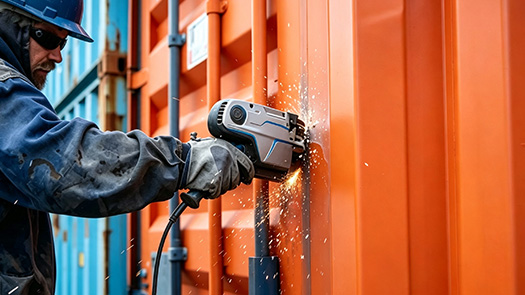
Our dry box corrugated panels, including roof panels (4 and 5 corrugation) and side and front panels for 8’6″ / 9’6″ height containers, are supplied with marine-grade finishes designed for long-term outdoor and maritime exposure. For rapid damage repair, our repair patches are pre-finished with compatible coatings, allowing depot teams to complete repairs without compromising corrosion protection.
Surface Treatment for Moving Parts: The Door Locking Assembly Challenge
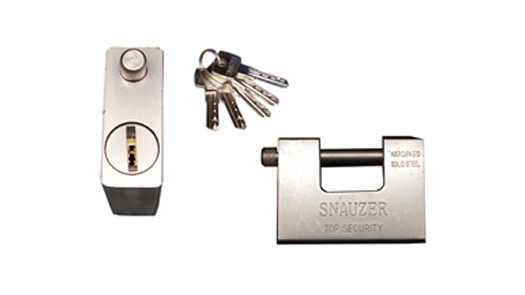
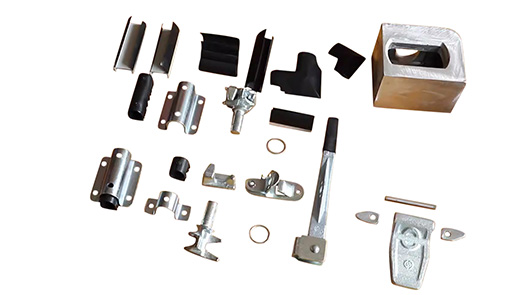
The most demanding application is door locking hardware. Components like door locking gear, door gear cams, keepers, forged handles, snauzer padlocks, and lockboxes face constant friction and impact. They must resist rust while maintaining smooth operation.
Here, the industry relies on a combination of approaches. Forged handles and locking gear are typically manufactured from high-strength steel with a protective coating that withstands both corrosion and mechanical wear. Some components benefit from specialized treatments such as phosphating followed by oil sealing, which provides temporary corrosion protection during storage and shipping while allowing the depot to apply their own lubricants during installation.
Critical point: the snauzer padlock and lockbox must also maintain anti-theft functionality. Corrosion here is not just a maintenance issue—it is a security issue. If the locking mechanism seizes due to rust, the container may become impossible to secure, or worse, vulnerable to tampering. Our door locking assembly components are engineered to preserve sealing and locking integrity even after extended exposure to marine conditions.
Consolidation and Anti-Corrosion: The Silvaro Advantage
What sets Shanghai Silvaro Global Co., Ltd. apart is not just the quality of individual components, but our approach to the entire maintenance picture. We understand that a container depot does not have time to source door locks from one supplier, panels from another, and structural posts from a third. That fragmented approach introduces quality inconsistencies and logistics delays.
Our one-stop dry container spare parts lineup consolidates:
– Complete door locking assembly components—restoring door locking and anti-theft functions
– Dry box corrugated panels—including 4 and 5 corrugation roof panels, side, and front panels
– Structural posts and rails—with standard sizes for 8’6″ and 9’6″ boxes, plus custom pressed side rails for special repair projects
Every component follows OEM ISO container dimensional standards for direct replacement—no secondary cutting, no modification, no guesswork. The unified standard dimensions mean a single inventory system covers your entire fleet. Our high-strength steel raw materials with anti-corrosion surface treatment deliver stable performance under the long-term marine conditions we discussed earlier.
For special repair projects, we support custom pressed side rails manufactured to your specifications. This flexibility is essential for depots handling non-standard containers or executing large-scale refurbishment programs.
Maintenance Practices That Extend Component Life
Even the best dry container parts require sensible maintenance. Based on our field experience working with depots and shipping lines, we recommend:
- Regular inspection of door locking gear—look for coating damage, pitting, or seized mechanisms. Early detection prevents emergency failures.
- Touch-up painting for panels and structural components—small coating damages should be repaired quickly before moisture penetrates to the substrate.
- Lubrication of all moving parts—forged handles, cams, and locking gear benefit from periodic application of marine-grade grease, which also forms a protective barrier against moisture.
- Check padlock and lockbox function—corrosion inside the lockbox can prevent proper engagement, compromising both security and operational efficiency.
We provide technical support guidance with our shipments, helping depot teams implement these practices effectively. Our commitment is not just to sell components, but to ensure they perform throughout their service life.
Why Shipping Lines and Depots Choose Silvaro Global
Our position in the maritime supply chain is built on a simple but demanding promise:reliable products, efficient logistics, and one-stop professional technical support. Based in Shanghai, we leverage the world’s busiest port as our logistics hub, ensuring short delivery lead times to global customers. Our Strict Manufacturer Audit & Stable Supply process means every partner factory is vetted for quality systems, material traceability, and production capacity before we add them to our network.
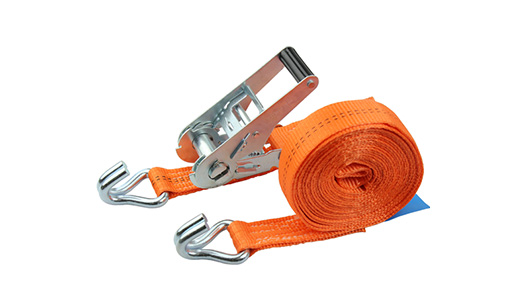
We maintain Full Maritime Safety Standard Compliance across our product range. The lashing and securing solutions we offer complement our dry container parts, providing a complete package for shipping lines that need both cargo securing hardware and container maintenance components.
One-stop Container Maintenance Parts Supply is not just a slogan—it is our operational model. We consolidate orders, manage quality across multiple product lines, and ship complete container repair requirements in a single consignment. This reduces your procurement overhead, simplifies inventory management, and eliminates the frustration of partial shipments.
For depots executing large-scale repair projects, our ability to supply custom pressed side rails and support specialized orders sets us apart. We do not force our customers to adapt their repair programs to our catalog; we adapt our production to their needs.
Future-Proofing Your Fleet Against Rust
The battle against marine corrosion is ongoing. New alloys, coating technologies, and surface treatment processes continue to emerge. At Shanghai Silvaro Global Co., Ltd. , we monitor these developments and integrate proven improvements into our supply chain as they become viable for container applications.
But the fundamentals remain constant. High-strength steel protected by properly applied galvanized or painted coatings, manufactured to OEM specifications, and maintained through sensible depot practices will deliver years of reliable service. The investment in quality dry container parts is always less than the cost of failures, delays, and replacements.
If your depot or shipping operation is currently dealing with premature corrosion, seized locking mechanisms, or structural deterioration, the solution often starts with the components you install. We invite you to review your container parts sourcing strategy and consider the long-term cost benefits of marine-grade quality.
Explore our full range of Dry Container Parts at — and let our team help you select the materials and finishes that will survive salt air, humidity, and the test of time.