Cargo securing is one of the most important—and often underestimated—parts of road, container, and Ro-Ro transport. The right securing equipment helps prevent cargo movement, protects vehicles and goods from damage, and gives transport operators a more consistent securing process.
But ratchet straps and wheel tie-downs are not interchangeable products.
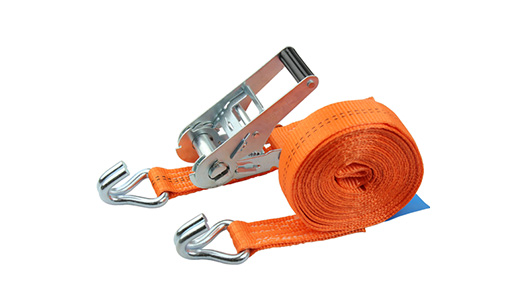
A ratchet strap is primarily a tensioning device for securing general cargo, machinery, pallets, and other loads to suitable anchoring points. A wheel tie-down is designed specifically to restrain a vehicle through its wheels. Selecting between them depends on what is being transported, how it is transported, where the load can be secured, and what securing requirements apply to the operation.
For logistics companies, depots, shipping operators, and equipment buyers, understanding this distinction is more important than simply comparing unit prices.
Ratchet Straps and Wheel Tie-Downs: What Is the Difference?
The simplest way to distinguish the two systems is by their application.
| Feature | Ratchet Straps | Wheel Tie-Down Systems |
|---|---|---|
| Primary application | General cargo and equipment | Vehicles and wheeled equipment |
| Main securing method | Tension applied around or across the load | Restraint through the vehicle wheels |
| Typical cargo | Machinery, pallets, equipment, packaged goods | Cars, vans, utility vehicles and other wheeled loads |
| Main advantage | Flexible and adjustable securing | Fast, repeatable vehicle securing |
| Typical installation | Load + rated anchor points | Wheel + rated anchor points |
| Best suited for | Mixed cargo applications | Vehicle transport and Ro-Ro operations |
The key point is simple:
Use the securing system that matches the load and the available securing points.
A high-quality ratchet strap cannot compensate for an unsuitable anchoring arrangement, and a wheel tie-down should not be treated as a universal replacement for general-purpose cargo lashing.
When Ratchet Straps Are the Better Choice
Ratchet straps are widely used where cargo needs to be tensioned against a trailer, deck, platform, or other suitable securing structure.
Typical applications include:
- Palletized cargo
- Machinery and industrial equipment
- Construction equipment
- Long or irregularly shaped loads
- Replacement securing equipment for trailers and depots
- General cargo requiring adjustable tension
The ratchet mechanism allows operators to apply and maintain tension more easily than with simple rope or non-adjustable restraints.
For procurement teams, however, the important specification is not simply the strap’s stated breaking strength.
Depending on the application and applicable standard, buyers should review factors such as:
- Lashing capacity
- Maximum allowable tension
- Webbing material and width
- Hook configuration
- Ratchet handle and frame construction
- End fittings
- Working temperature and environmental exposure
- Corrosion protection
- Traceability and inspection requirements
The securing capacity of the complete system should always be considered together with the rated anchor points and the securing method.
When Wheel Tie-Downs Are the Better Choice
When the cargo itself is a vehicle, the securing problem is different.
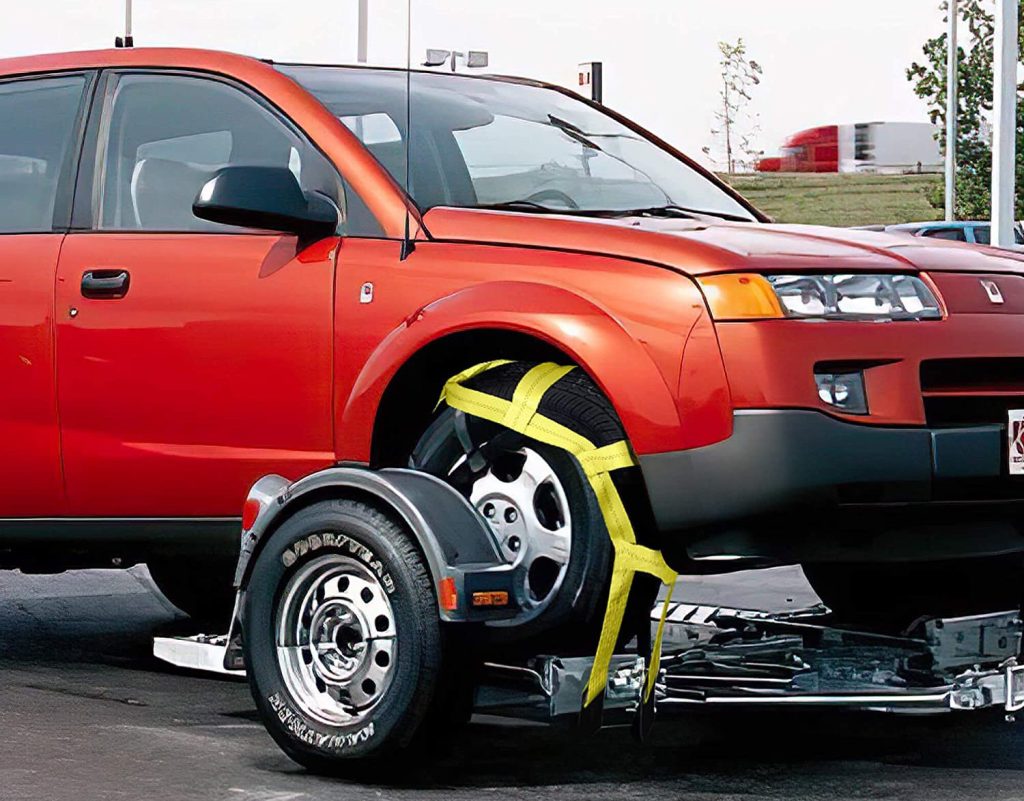
Instead of trying to restrain the vehicle’s body or chassis directly, wheel tie-down systems use the wheels as a controlled securing point. This can make vehicle loading faster and more repeatable, particularly when multiple similar vehicles need to be secured during each loading cycle.
Typical applications include:
- Passenger vehicles
- Vans
- Light commercial vehicles
- Vehicles transported on trailers
- Ro-Ro vehicle transport
- Depot and terminal vehicle movements
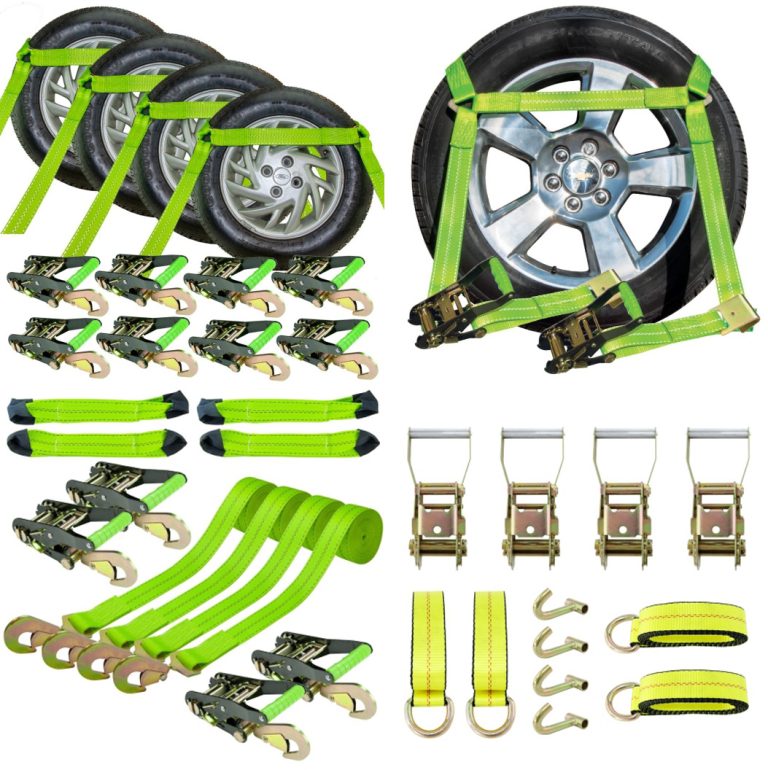
A typical wheel tie-down arrangement may include a wheel strap, ratchet mechanism, hooks, and suitable anchor points.
The exact configuration should be selected according to the vehicle, wheel size, securing points, transport equipment, and applicable securing requirements.
For operators handling large numbers of vehicles, repeatability is particularly important. A clearly defined securing procedure helps different crew members perform the same operation without relying on individual judgment each time.
How to Choose the Right System
Instead of asking which product is “better,” procurement teams should ask five practical questions.
1. What is the cargo?
If the load is a pallet, machine, piece of equipment, or general cargo, ratchet straps may be appropriate.
If the load is a vehicle, a wheel tie-down system is usually the more relevant starting point.
2. Where are the rated securing points?
The securing equipment must be compatible with the anchor points on the trailer, deck, vessel, or transport platform.
A strong lashing component does not automatically create a strong securing system. The capacity of the complete load-securing arrangement must be considered.
3. What forces will the cargo experience?
Cargo can experience movement caused by:
- Acceleration
- Braking
- Cornering
- Vibration
- Uneven road surfaces
- Vessel movement
- Wind and weather exposure
The securing arrangement should therefore be selected based on the actual transport conditions rather than the static weight of the cargo alone.
4. How frequently will the equipment be used?
For a depot or logistics fleet, equipment may be installed and removed repeatedly.
In that environment, buyers should consider:
- Ease of installation
- Operator handling
- Inspection requirements
- Wear resistance
- Corrosion resistance
- Replacement availability
- Consistency between batches
The lowest purchase price is not necessarily the lowest operating cost if equipment requires frequent replacement or creates additional handling time.
5. Which standards and customer requirements apply?
Cargo securing requirements vary according to the transport mode, cargo type, equipment, and jurisdiction.
Procurement teams should identify the applicable requirements before selecting a product. Depending on the operation, this may involve relevant IMO guidance, CTU Code recommendations, ISO or EN standards, carrier requirements, or local transport regulations.
A supplier should be able to provide the applicable product specifications and supporting documentation rather than relying only on general statements such as “marine grade” or “international standard.”
What Should Buyers Check Before Ordering Ratchet Straps?
For a professional purchasing department, a product specification sheet should answer more than “what is the strap length?”
Before placing an order, consider requesting:
Webbing specifications
- Material
- Width
- Thickness
- Rated capacity
- Environmental resistance
Hardware specifications
- Ratchet material
- Hook type
- Hook dimensions
- Surface treatment
- Corrosion protection
Product documentation
- Technical data sheet
- Applicable test documentation
- Batch or production traceability where required
- Inspection guidance
- Packaging and labeling information
If the equipment will be used in marine environments, corrosion protection deserves particular attention. Salt spray, humidity, repeated handling, and outdoor storage can affect metal components over time.
What Should Buyers Check Before Ordering Wheel Tie-Downs?
Wheel tie-down systems require an additional level of application matching because the equipment interacts directly with the vehicle.
Important considerations include:
- Vehicle weight
- Wheel and tire dimensions
- Wheel construction
- Available anchor points
- Strap length
- Hook configuration
- Ratchet capacity
- Contact protection
- Installation method
- Transport environment
A wheel tie-down should hold the vehicle securely without creating unnecessary damage to the tire, wheel, or other vehicle components.
For fleet and terminal operators, it is also useful to standardize the securing procedure wherever possible. Standardized equipment and procedures can reduce installation errors and make inspection easier.
Why the Complete Securing System Matters
One of the most common purchasing mistakes is evaluating a lashing component in isolation.
For example, a strap may have a high rated capacity, but the complete securing arrangement can still be inadequate if:
- The anchor point is not suitable;
- The securing angle is inappropriate;
- The load is not adequately protected from movement;
- The hook is incompatible with the anchor point;
- The strap is damaged or worn;
- The securing method does not match the cargo;
- The required number of lashings has not been correctly determined.
For this reason, cargo securing should be treated as a system rather than a single product.
The strap, hook, ratchet, anchor point, cargo, securing geometry, and operating procedure all contribute to the final result.
Selecting a Supplier for Marine and Transport Applications
For international buyers, product availability is only one part of supplier selection.
A reliable supplier should be able to provide:
- Clear product specifications
- Consistent product configurations
- Stable manufacturing sources
- Quality-control procedures
- Appropriate technical documentation
- Replacement availability
- Export packaging
- Experience with international logistics
This is particularly important for companies purchasing multiple container maintenance and cargo-securing products. Changing specifications from one shipment to another can create unnecessary problems for inventory management, crew training, and operational procedures.
Cargo Securing Solutions from Shanghai Silvaro Global
Shanghai Silvaro Global Co., Ltd. supplies marine transport safety products and ISO container maintenance components for international customers.
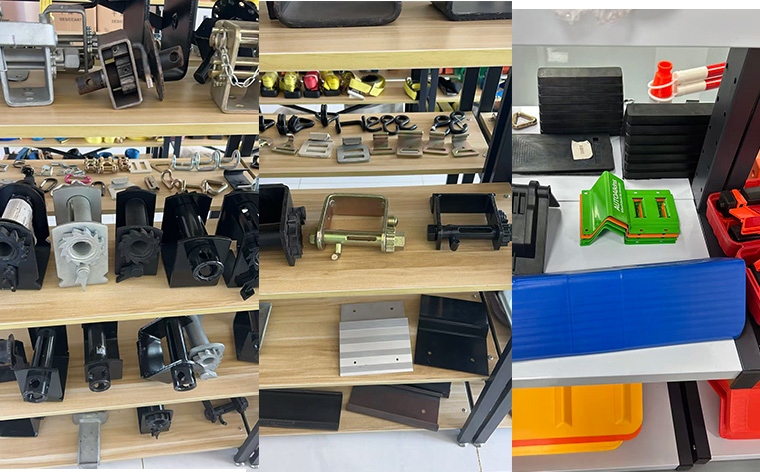
Our product range includes cargo-securing and container-related equipment such as:
- Ratchet straps
- Wheel tie-down systems
- Twist locks
- Stacking cones
- Bridge fittings
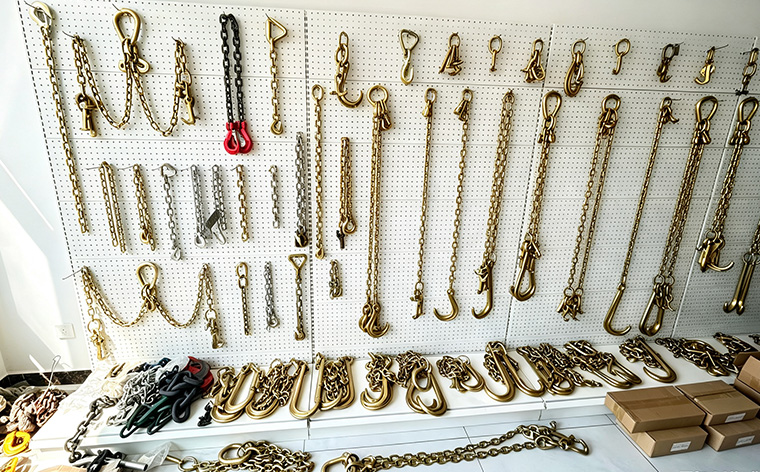
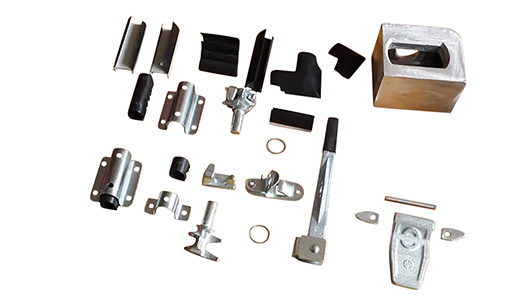
- Lashing components
- Container maintenance parts
- Dry container and reefer container repair materials
Our role is to help buyers identify products according to their application rather than treating every lashing product as interchangeable.
For customers operating depots, trailers, container fleets, or vehicle transport operations, this approach can make purchasing and replacement decisions more straightforward.
Where a specific standard, test document, material specification, or product configuration is required, the requirement should be confirmed against the actual product before purchase.
Ratchet Straps or Wheel Tie-Downs: A Practical Decision
The choice can be summarized simply:
Choose ratchet straps when you need flexible tensioning for general cargo, machinery, equipment, or palletized loads.
Choose wheel tie-down systems when the primary cargo is a vehicle and the securing arrangement is designed around the vehicle’s wheels.
In some operations, both systems may be used for different cargo types or as part of a broader securing strategy.
The objective is not to find the strongest-looking product. The objective is to create a securing arrangement that is appropriate for the cargo, compatible with the transport equipment, consistent in operation, and supported by the required specifications and documentation.
For international logistics buyers, that approach can reduce cargo movement, simplify crew procedures, and make replacement purchasing more predictable.
Need Help Selecting Cargo Securing Equipment?
If you are sourcing ratchet straps, wheel tie-downs, container lashing components, or related marine transport equipment, Shanghai Silvaro Global can help you compare configurations according to your application.